Contemporary Islamic Calligraphy: A Modern Art Form
Blending traditional techniques with modern sensibilities to create a vibrant, living art form
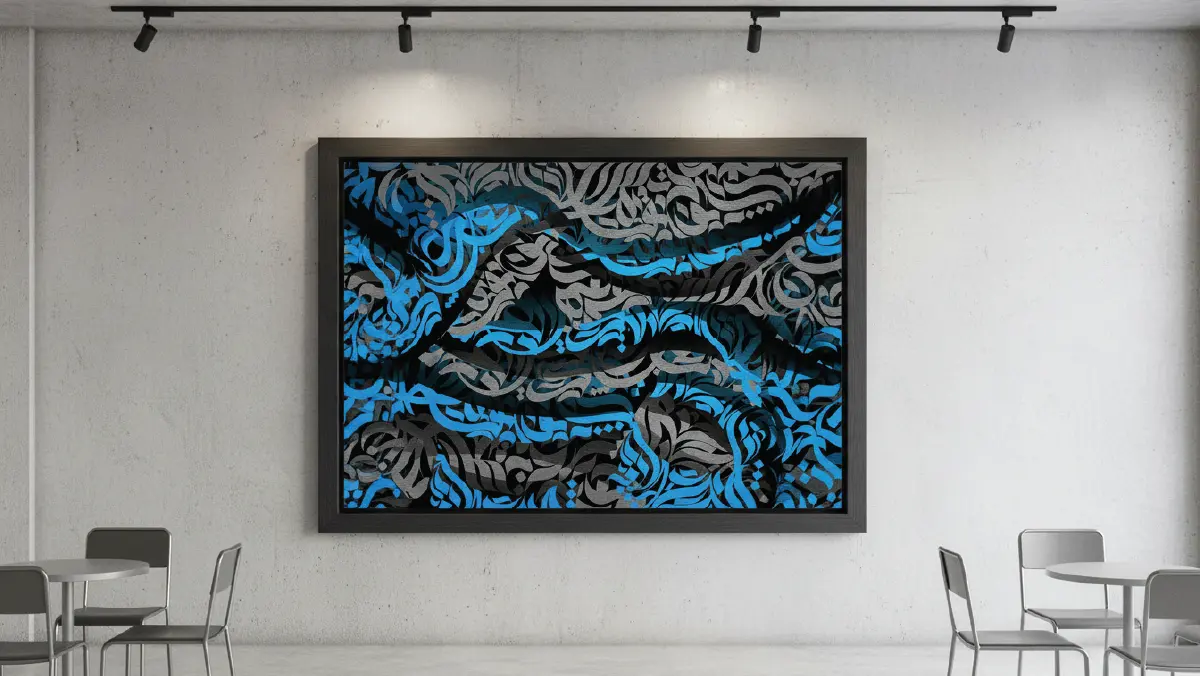
Contemporary Islamic calligraphy is a vibrant and evolving art form that blends traditional techniques with modern sensibilities. It is a testament to the enduring appeal and versatility of Arabic calligraphy, which continues to inspire and captivate audiences around the world. This blog post will explore the key characteristics of contemporary Islamic calligraphy, the use of apps and software in its creation, and the names of some of the most prominent contemporary calligraphers.
Key Characteristics of Contemporary Islamic Calligraphy
Contemporary Islamic calligraphy is characterized by its bold, expressive, and often experimental approach. It draws inspiration from a wide range of sources, including traditional Islamic art, contemporary design, and pop culture. Contemporary calligraphers often use a variety of materials and techniques, such as digital media, mixed media, and installation art, to create innovative and thought-provoking works.
At BinMahmood, we specialize in this evolution through our Classical vs. Fusion Calligraphy approach, ensuring ancient scripts remain relevant for a modern digital audience.
The Use of Apps and Software in Contemporary Islamic Calligraphy
The advent of digital technology has revolutionized the practice and dissemination of Arabic calligraphy. Computer software and graphic design tools have enabled artists to create intricate and complex calligraphic works with greater precision and efficiency. The digital age has also facilitated the global exchange of calligraphic ideas, fostering a vibrant community of calligraphers and enthusiasts.
However, we believe the human touch remains vital. Our Mouse-Crafted vs. AI-Generated philosophy ensures that every vector curve is plotted with the same intention as a traditional reed pen.
Prominent Contemporary Islamic Calligraphers
Several contemporary Islamic calligraphers have gained international recognition for their innovative and influential works. Some of the most prominent include:
- Hassan Massoudy: An Iraqi-French calligrapher known for his bold and expressive style, which combines traditional Arabic calligraphy with modern abstract art. For more on the history that inspired such masters, visit The Golden Age of Islamic Calligraphy.
- eL Seed: A French-Tunisian artist who has gained fame for his large-scale calligraphic murals, which blend traditional calligraphy with graffiti and urban art. Explore academic perspectives on these forms via The Metropolitan Museum of Art.
- Nja Mahdaoui: A Tunisian artist who has developed a unique style of “abstract calligraphy,” which uses the Arabic script as a purely visual element, devoid of any linguistic meaning.
- Sabreen Shawa: A Palestinian calligrapher who has used calligraphy to address social and political issues, creating powerful and thought-provoking works.
New Types of Arabic Calligraphy Introduced During the Contemporary Era
The contemporary era has seen the emergence of several new types of Arabic calligraphy, reflecting the diverse and evolving nature of the art form. Some of these include:
- Digital Calligraphy: A type of calligraphy that is created using computer software and graphic design tools. Discover our guide on Arabic Calligraphy vs. Digital Fonts.
- Calligraffiti: A hybrid art form that combines calligraphy with graffiti, creating bold and expressive works.
- Conceptual Calligraphy: A type of calligraphy that is used to convey abstract ideas and concepts, often through the use of symbolism and metaphor.
- Interactive Calligraphy: A type of calligraphy that invites viewers to participate in the creation of the artwork, often through the use of technology. View digital galleries at the Victoria and Albert Museum.
Conclusion
Contemporary Islamic calligraphy is a vibrant and dynamic art form that continues to evolve and adapt to the changing world. It is a testament to the enduring power and relevance of Arabic calligraphy, which remains a source of inspiration and creativity for artists and audiences alike.
Every stroke we craft at BinMahmood is a tribute to the masters who came before us and an invitation to those who will follow.
Explore personalised fusion calligraphy at binmahmood.pk
Mugs · Notebooks · Wall Art · Custom Name Art
Authentic. Modern. Mouse-Crafted.