
The Golden Age of Islamic Calligraphy: A Flourishing Art
Exploring the era where Arabic script reached its zenith of sophistication and scientific refinement
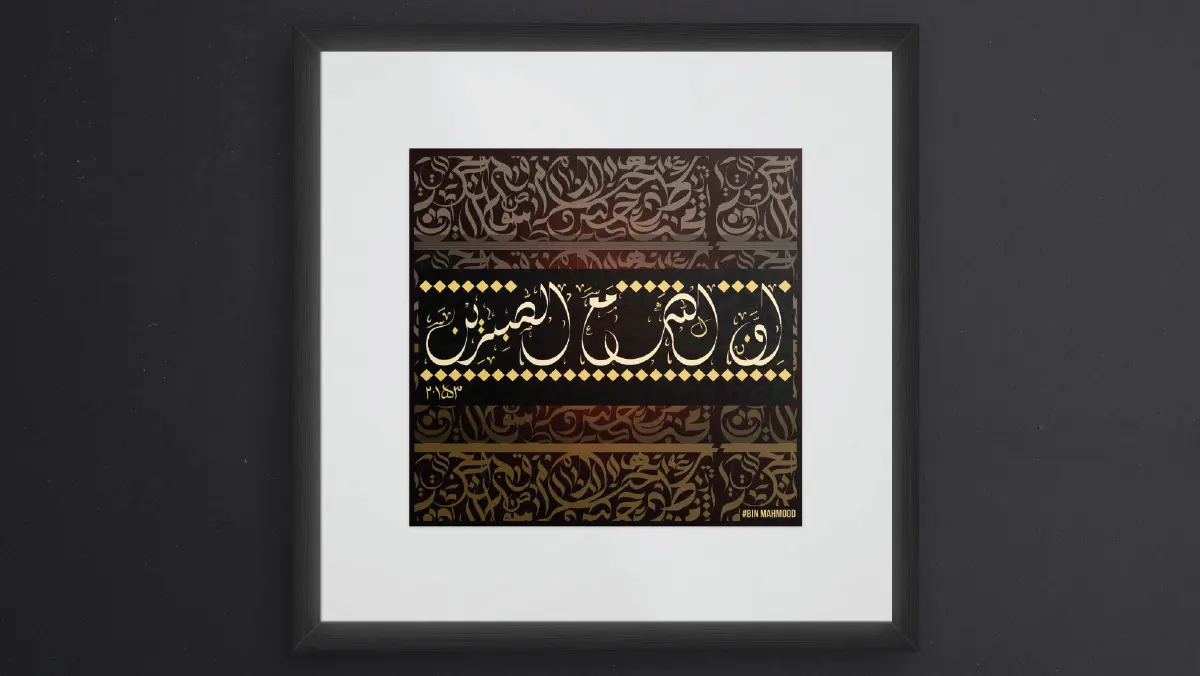
The Golden Age of Islam, spanning from the 8th to the 13th centuries, witnessed an unparalleled flourishing of arts and sciences. Among these, Arabic calligraphy reached its zenith, evolving into a sophisticated and refined art form. This period saw the emergence of new styles, the development of calligraphic schools, and the integration of calligraphy into various aspects of Islamic society.
Several factors contributed to the flourishing of Arabic calligraphy during the Golden Age. The establishment of Islamic courts and the patronage of caliphs and sultans created a conducive environment for artists and scholars. The emphasis on the beauty and elegance of the Quranic script further fueled the development of calligraphy. Additionally, the intellectual and cultural vibrancy of the Islamic world during this period fostered innovation and experimentation in various artistic fields, including calligraphy.
Famous Calligraphers of the Golden Age
Several renowned calligraphers emerged during the Golden Age, leaving an enduring legacy. Ibn Muqla, a 10th-century calligrapher, is often credited with standardizing the proportions and forms of Arabic script, laying the foundation for subsequent developments. His work in developing the Naskh and Kufic styles had a profound impact on the evolution of Arabic calligraphy.
Other notable calligraphers of the Golden Age include Yaqut al-Musta’simi, known for his exquisite Thuluth script, and Ibn al-Bawwab, who excelled in the development of the Rihan script. Their mastery of the “geometry of letters” is a standard we strive to honor through our Mouse-Crafted process today.
Calligraphy and Architecture
Arabic calligraphy played a vital role in Islamic architecture, adorning mosques, palaces, and other public buildings with intricate and visually stunning inscriptions. The harmonious integration of calligraphy with architectural elements created a unique aesthetic that continues to inspire architects and artists today.
For academic insights into how these architectural forms developed, you can explore The Metropolitan Museum of Art’s Essay on Islamic Calligraphy. This same spirit of architectural harmony is what we aim for in our Classical vs. Fusion designs.
Calligraphy and Literature
The Golden Age also witnessed a flourishing of Arabic literature, and calligraphy played a crucial role in preserving and disseminating literary works. Calligraphers meticulously transcribed poems, historical chronicles, and philosophical treatises, contributing to the intellectual and cultural life of the Islamic world.
Today, we continue this tradition of preserving meaningful text through personalized items. See how this compares to modern mass production in our guide on Personalized Artistry vs. Mass-Produced Items.
Conclusion
The Golden Age of Islamic calligraphy represents a pinnacle of artistic achievement. The development of new styles, the mastery of technique, and the integration of calligraphy into various aspects of Islamic life created a legacy that continues to influence artists and designers today. The study of this period provides invaluable insights into the rich heritage of Arabic calligraphy and its enduring appeal.
You can read more about this historic peak on our global platform: The Golden Age of Islamic Calligraphy.
At BinMahmood, we don’t just copy the Golden Age; we use its principles of proportion and soul to create for the modern world.
Bring the elegance of the Golden Age home at binmahmood.pk
Wall Art · Notebooks · Personalised Gifts
Every piece mouse-crafted, never generated.